World Blood Donor Day: Understanding the Significance of Donating Blood

14 June 2023  | Article is written by Dietitian Tan Jun Er (BP Healthcare Diagnostics Center, Muar, Johor)
(Image credit: Freepik)

The World Blood Donor Day falls on 14th June every year. On this day, we express our gratitude to all the voluntary, unpaid blood donors for their life-saving gifts of blood. The global theme of the World Blood Donor Day changes each year and this time round, the slogan is “Give blood and keep the World beating”. It highlights the essential contribution that blood donors make in saving lives and improving each other’s health.

Why Are Bloods Important?

Apart from blood transfusions conducted during emergency encounters such as trauma accidents, individuals with illnesses such as anaemia, cancer and many others also require regular blood transfusions. Hence, being a blood donor could contribute to a stable supply of safe blood and blood products for those in need, and provide continuous support to our national healthcare system.

What Are the Benefits of Donating Blood?

In Malaysia, only 2.5% of Malaysians who are physically fit to donate blood are blood donors, well below the international average of 5%. In fact, blood donors in Malaysia are entitled to many medical privileges, such as free outpatient treatment and Hepatitis B vaccination, offered by the Ministry of Health (MOH).

Before every blood donation, blood donors also get a free screening that includes measuring blood pressure, pulse, and haemoglobin levels. Although they are not thorough tests, they may help in discovering underlying health concerns such as anaemia or hypertension. Moreover, the blood collected will be tested for diseases such as hepatitis B, hepatitis C, HIV and syphilis.

For a more comprehensive insight on your overall health, GET A FULL HEALTH CHECK by purchasing our Head2Toe health screening package.

Nutrition After a Blood Donation

After donating blood, individuals are encouraged to have enough rest and sufficient nutrients for blood cells regeneration.
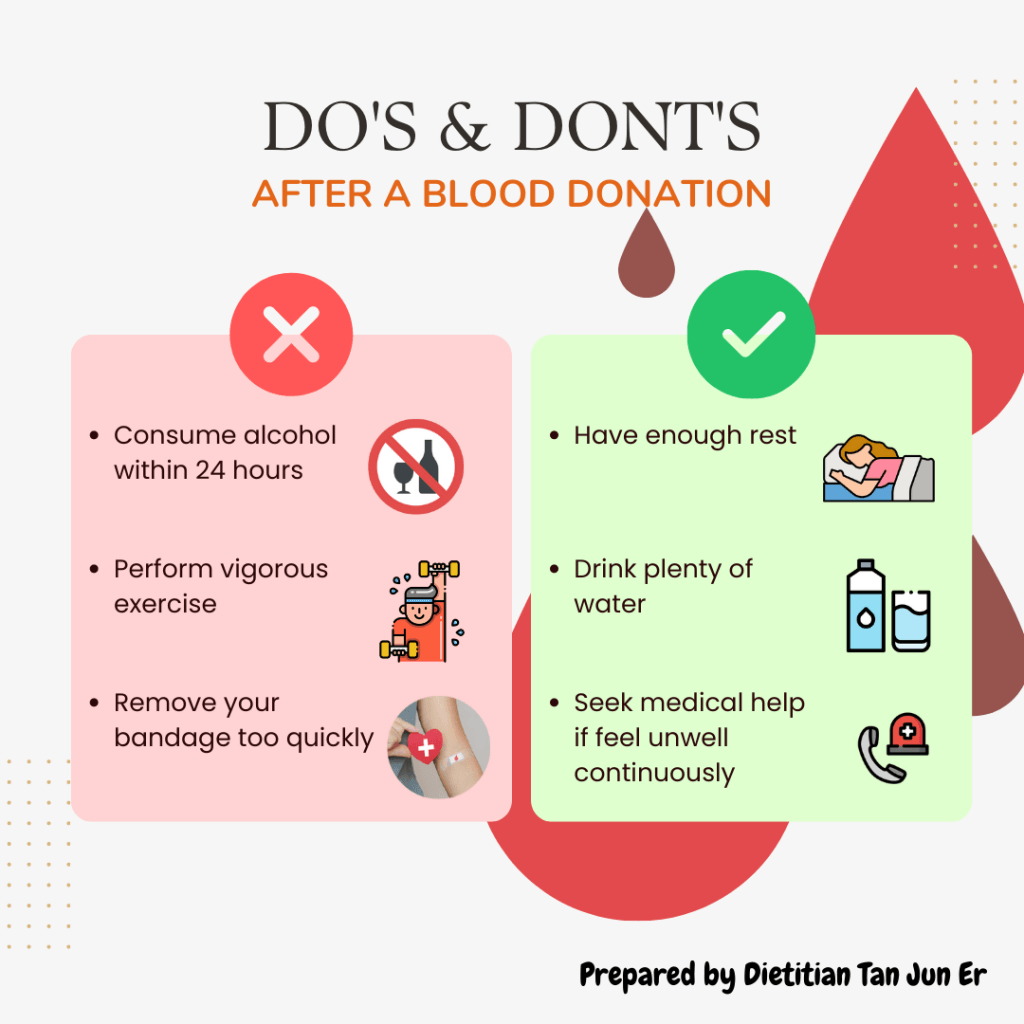
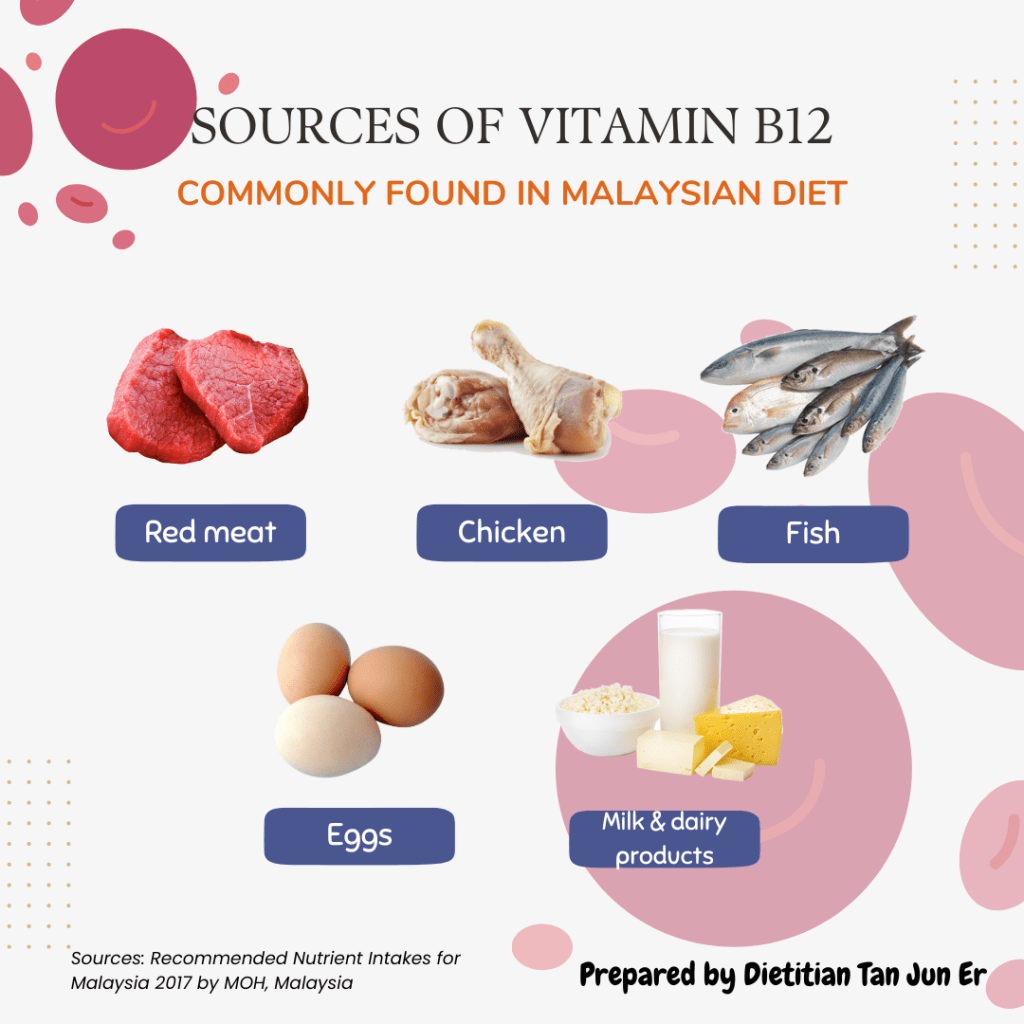
A balanced, nutritious meal enriched with iron is essential for our body to replenish afterwards. Besides that, nutrients such as Vitamin B12 and Vitamin B9 are important too. A supplementation of iron & B vitamins may be needed for a speedy recovery especially if you are a vegetarian. These nutrients are often found in animal sources, especially Vitamin B12. You are highly encouraged to talk to your doctor or other healthcare professionals before donating blood.
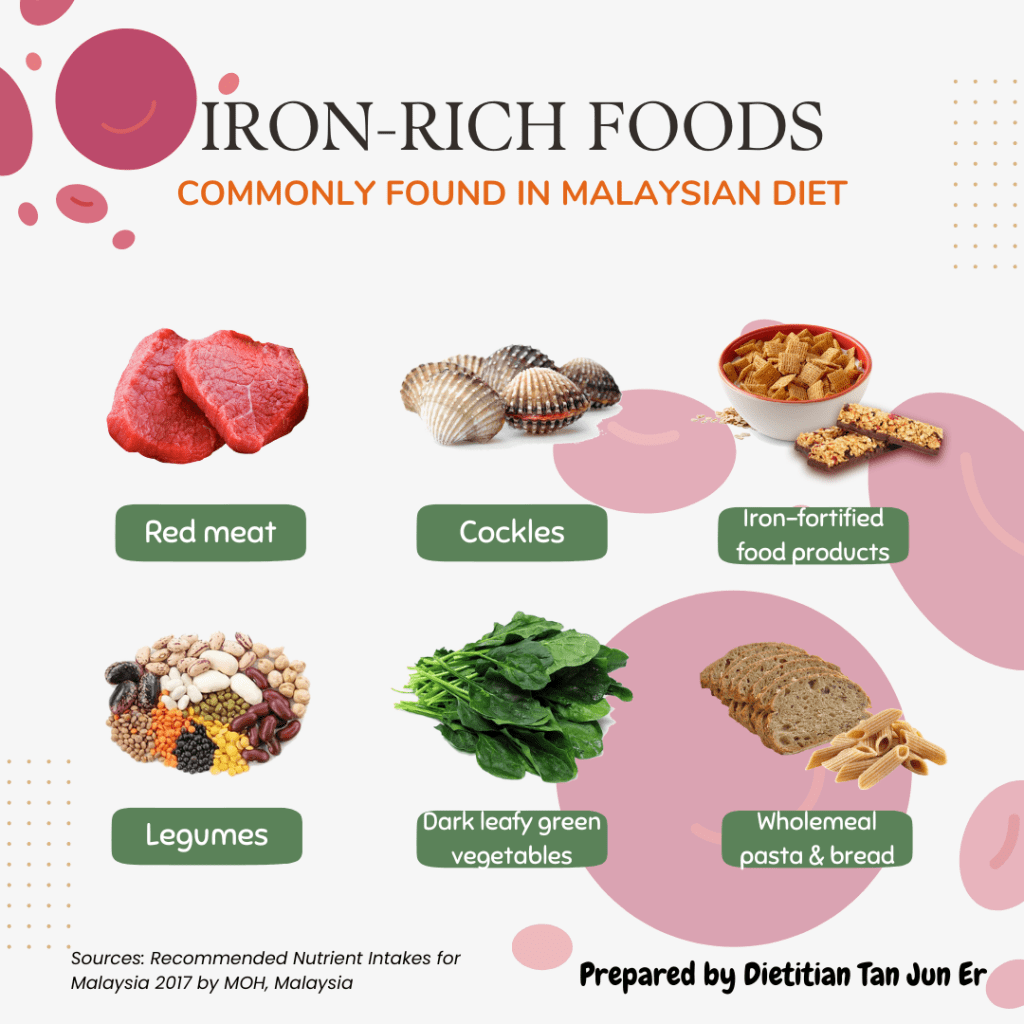
A proper meal plan is vital as aftercare, which the principles applied to maximise iron absorption and blood cells regeneration. This meal plan is also widely applicable for those who have iron-deficiency or Vitamin B12-deficiency anaemia.
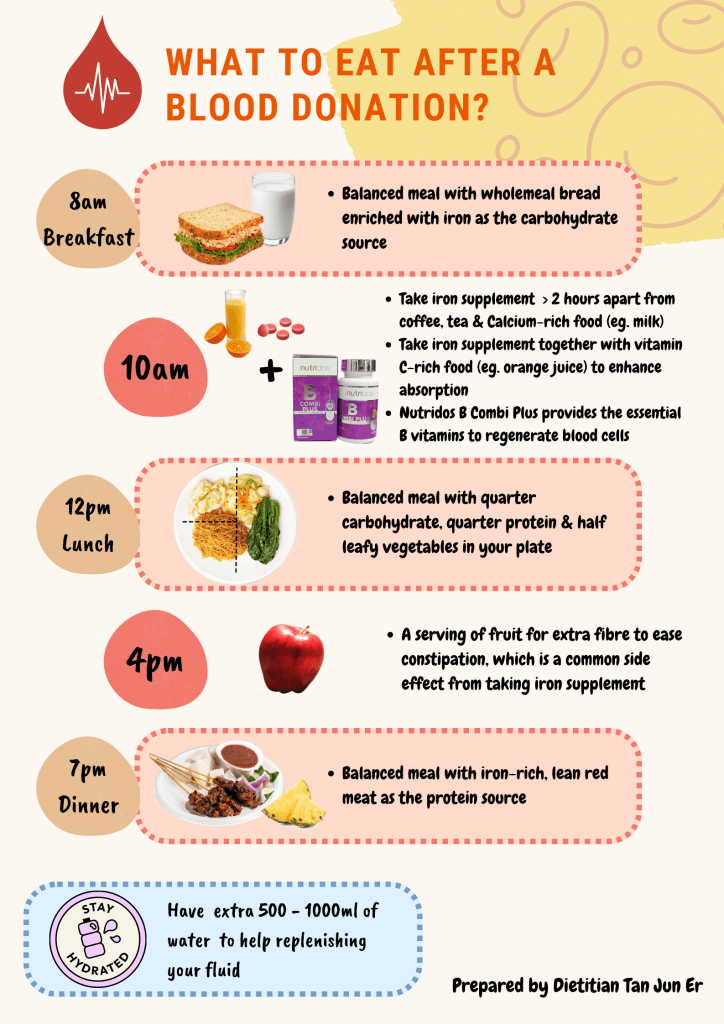
In addition to having a balanced and healthy meal, taking vitamin B12 supplements such as Nutridos B Combi Plus is also an easy and convenient way to ensure that you are getting enough vitamin B12.

Visit our website to learn more about our Nutridos product range and make a purchase today!


Happy World Blood Donor Day to all blood donors and the healthcare workers who work hard to improve others’ health, you all are real heroes!


Happy Labour’s Day to all the workers of every field!

02 May 2023 | Article is written by Ng Jia Yin (Nutritionist, Lovy Pharmacy)

Welcome back to the workplace after Labour’s day holiday and again, Happy Labour’s Day to all the workers of every field! We hope you had a good rest and may you all be blessed with the sweetest fruits for all the labor you have put into your work. At the same time, do not forget that health is wealth, as we need a healthy body to contribute to our family, our company and our country.

Malaysian Employees are Overworked, Sleep-Deprived, & Unhealthy


Source: theedgemarkets, February 10, 2020

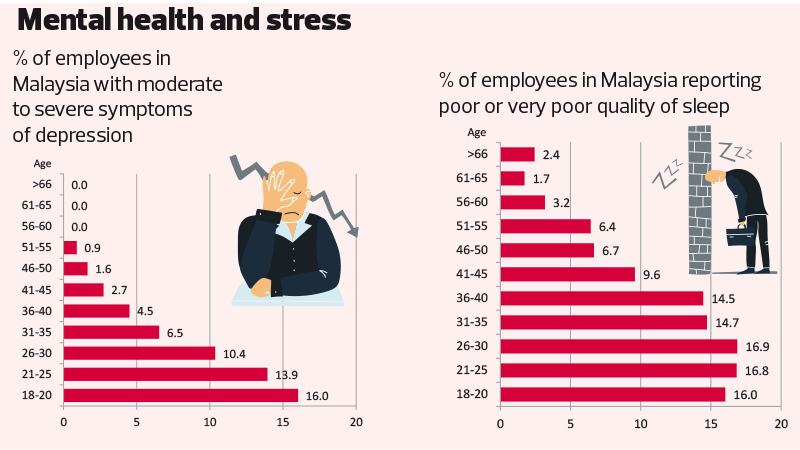
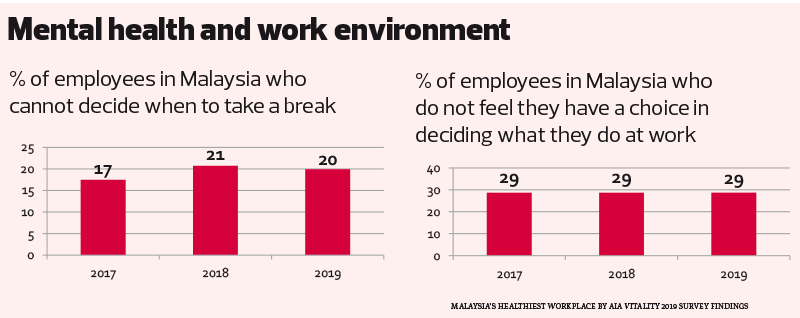
According to a survey done by the Malaysia’s Healthiest Workplace by AIA Vitality 2019, it revealed that:

  • 4% of respondents reported that they were suffering from at least one or more musculoskeletal conditions
  • 17% of respondents reported that they felt tired and fatigue every single day
  • 32% of respondents reported that they have one or more chronic conditions (kidney conditions, high blood pressure, high cholesterol, diabetes, heart disease, stroke or cancer)
  • 90% of employees do not eat a balanced diet
  • 42% of employees are either overweight or obese

Job Place Stress: A Silent Killer of Employee Health and Productivity

Job stress is defined as the harmful physical and emotional responses that occur when the requirements of the job do not match the capabilities, resources, or needs of the worker. It can lead to poor health and even injury. These effects occur in a continuum and lead to poor company productivity.

Some physical health problems linked to workplace stress include immune deficiency disorders, musculoskeletal disorders such as chronic back pain, and gastrointestinal disorders such as irritable bowel syndrome. Meanwhile, workplace stress also brings effects on worker’s mental health, such as increased risk of anxiety, depression, and substance use disorders. Workers who are stressed at work tend to practice unhealthy behaviors, such as excessive cigarette smoking, alcohol and drug abuse, and poor dietary habits.

Work-Life Balance: How important is it?

We can’t deny that work-life balance carries an important role but it is often overlooked. Work-life balance is about achieving balance and satisfying strategies that could accommodate work and life. It is a crucial aspect in a healthy working environment, as it helps in maintaining mental health, physical health, and increasing employees’ productivity.

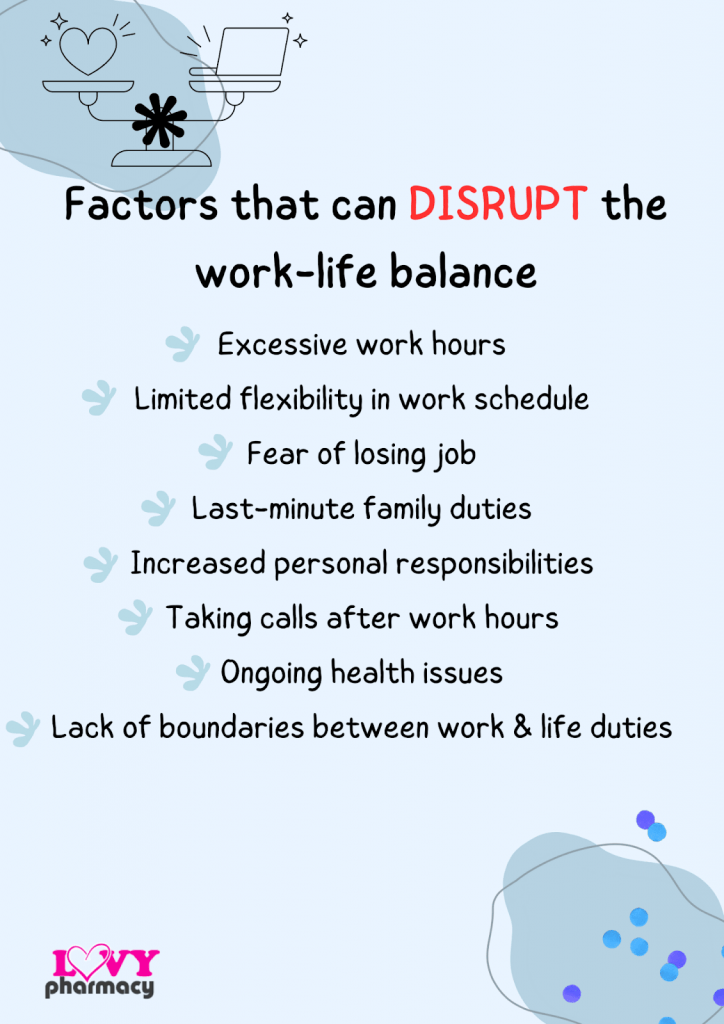
However, employees generally face these common work-life balance disruptions, which may cause them to feel extra stressful.

How to create Work-Life Balance?

Hence, on this day, we are here to remind you to have more self-care and self-love in your everyday life, because both your physical and mental health matter!

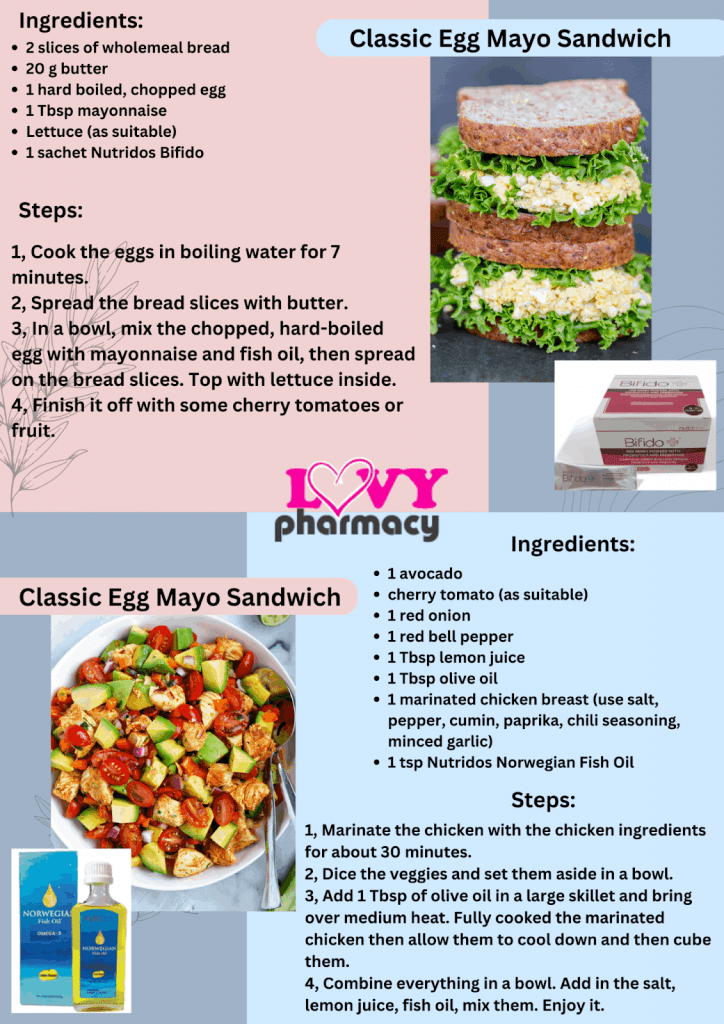
Relaxing and relieving your stress could be simple. Having a good nutritious meal could help, while activity as simple as having a short brisk walk after work could also help. All it takes is a little bit of your time and it could boost your mood and health extensively.

Examples of Simple, Quick, Nutritious Meal and Leisure Activities


Always remember that a balanced, healthy diet does not necessarily have to be complicated and hard to prepare, and as far as we know work is important, your health and well-being are even more important. Always find time for yourself, and a rest is an essential, preparatory step for a longer journey ahead!

Reference

  1. Ram, B. S. (2019, November 15). Survey: Malaysian employees are overworked, sleep deprived, unhealthy. New Straits Times. Retrieved March 25, 2023, from https://www.nst.com.my/news/nation/2019/11/539026/survey-malaysian-employees-are-overworked-sleep-deprived-unhealthy
  2. The Edge Markets. (2020, February 10). Millennials are the most stressed-out generation at work. The Edge Markets. Retrieved March 25, 2023, from https://www.theedgemarkets.com/content/advertise/millennials-are-most-stressedout-generation-work
  3. Corporate Wellness Magazine. (n.d.). Workplace Stress: A Silent Killer of Employee Health and Productivity. Corporate Wellness Magazine. Retrieved March 25, 2023, from https://www.corporatewellnessmagazine.com/article/workplace-stress-silent-killer-employee-health-productivity
  4. Talent Intelligence. (n.d.). 3 Factors that Affect Work-Life Balance. Talent Intelligent. Retrieved March 26, 2023, from https://www.talentintelligence.com/3-factors-that-affect-work-life-balance/
  5. SpriggHR. (2020, February 6). The Importance of Work-Life Balance. SpriggHR. Retrieved March 27, 2023, from https://sprigghr.com/blog/performance-culture/the-importance-of-work-life-balance/

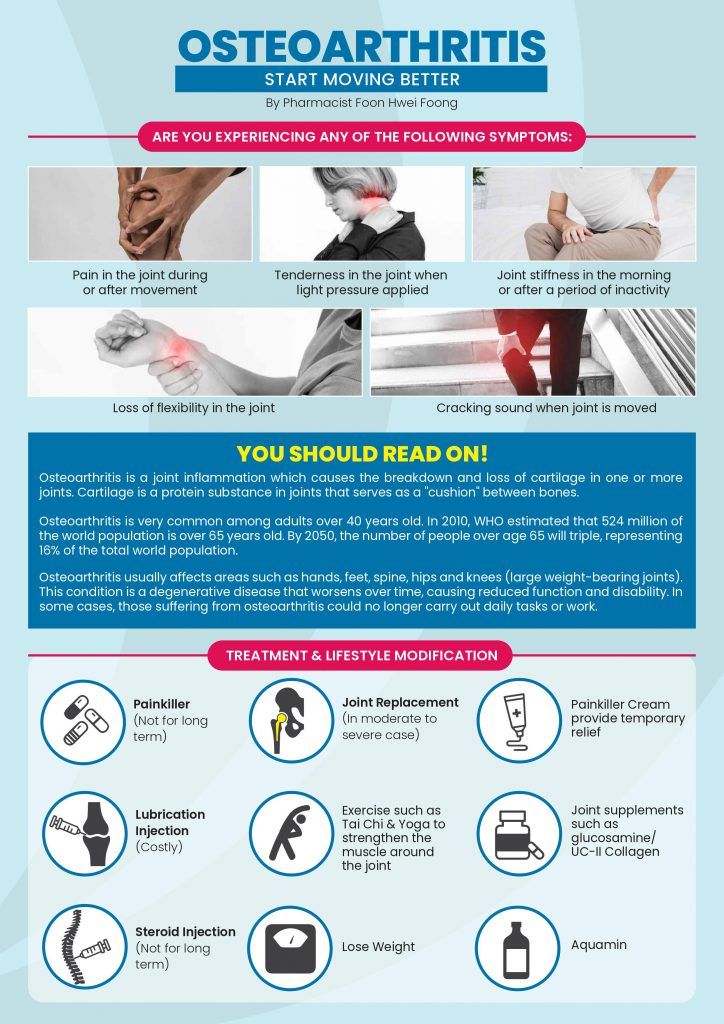
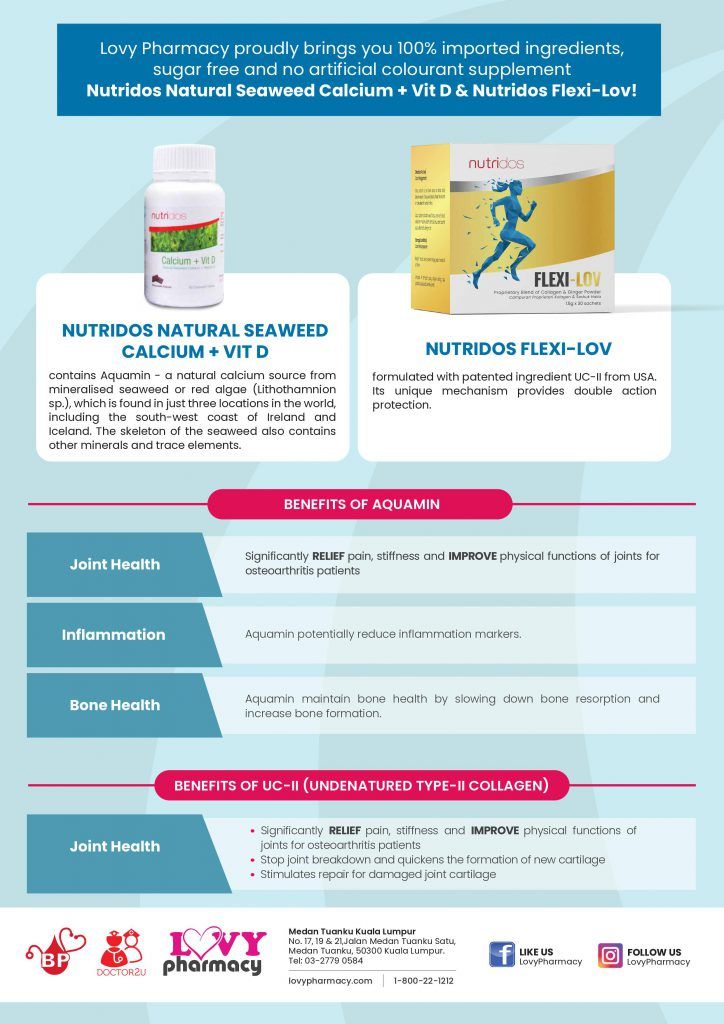
Osteoarthritis


Nutritional Management During Fasting Month of Ramadan

05 April 2023  |  Article is written by Mohammad Noor Hisham (Dietitian, Lovy Pharmacy)

This article is reviewed by dietitian Tan Jun Er and nutritionist Yeu Yi Wen (Lovy Pharmacy)


(Image credit: Freepik)

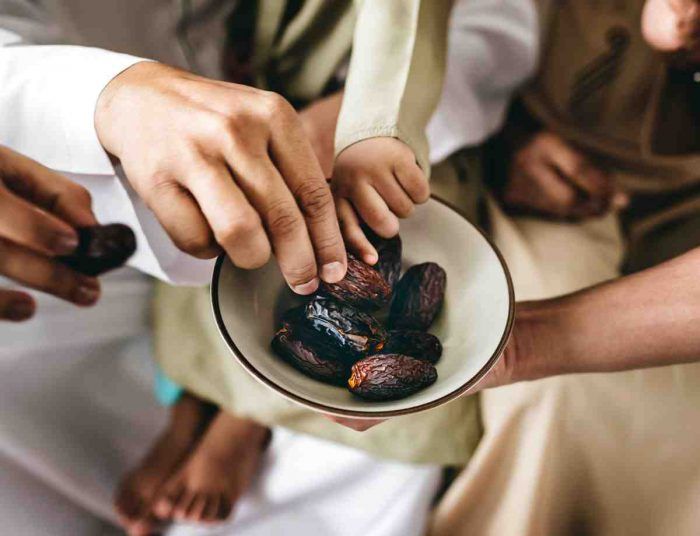
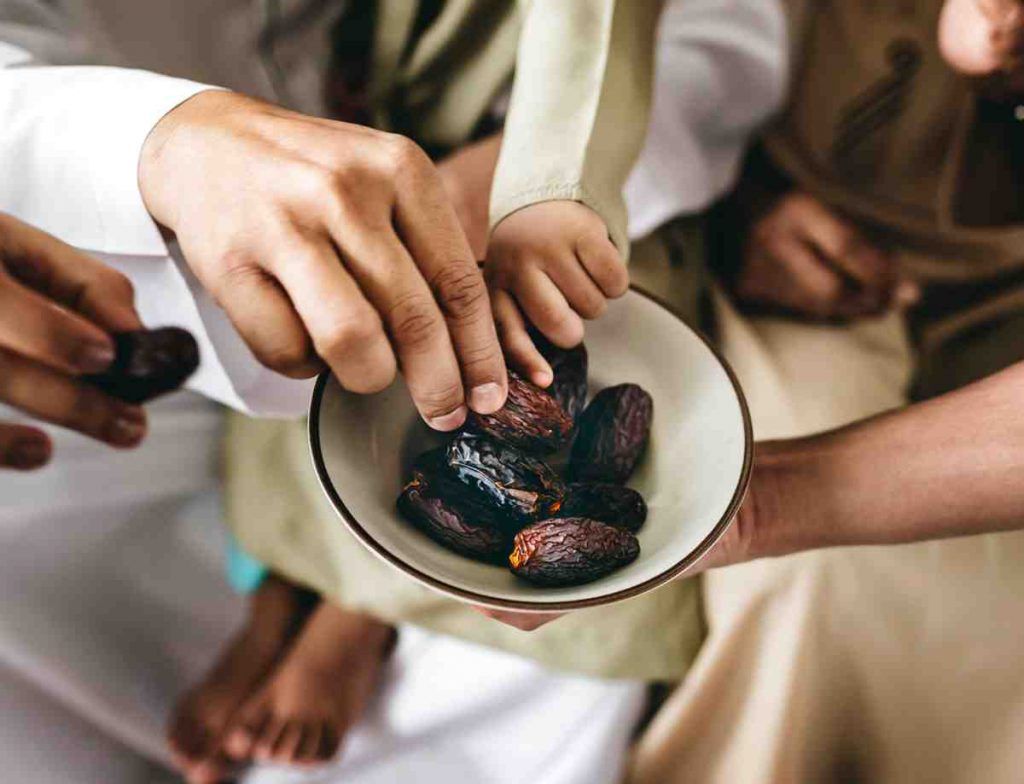
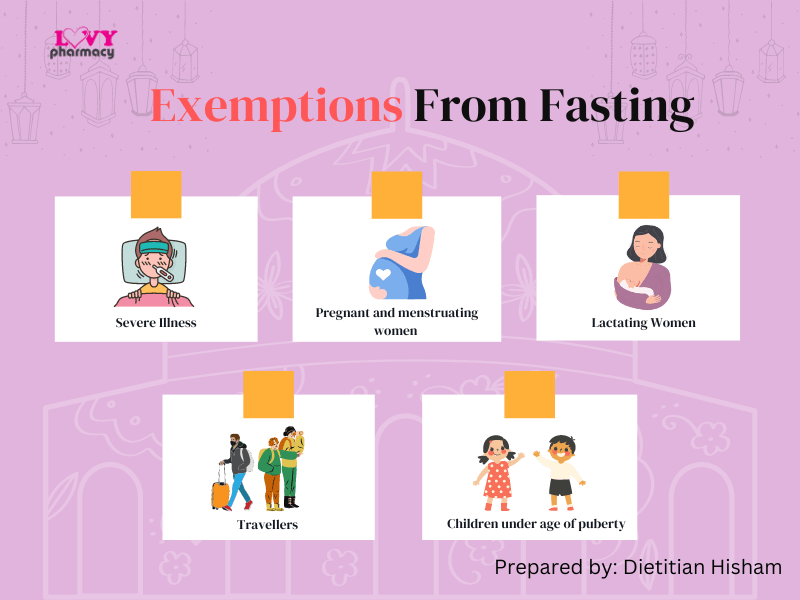
Muslims around the world are nearly halfway through the holy month of Ramadan, during which Muslim adults and adolescents who have reached puberty abstain from eating and drinking from dawn to dusk. In Southeast Asian countries like Malaysia, the average fasting hours range from 12 to 14 hours a day. Certain groups such as pregnant and lactating women, and individuals with severe illnesses, are exempted from fasting for health reasons.

As we approach the final 15 days of Ramadan, it is important to maintain proper nutrition intake. In this post, we will look into eating habits to avoid, nutritional management for diabetic patients, and Ramadan nutrition meal plans.

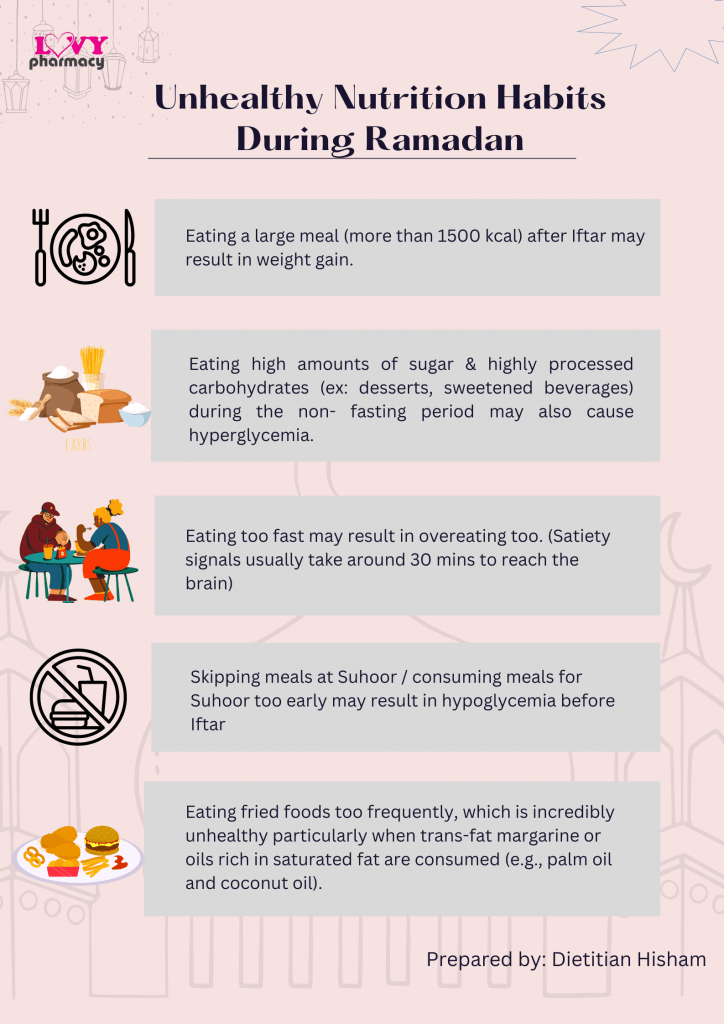
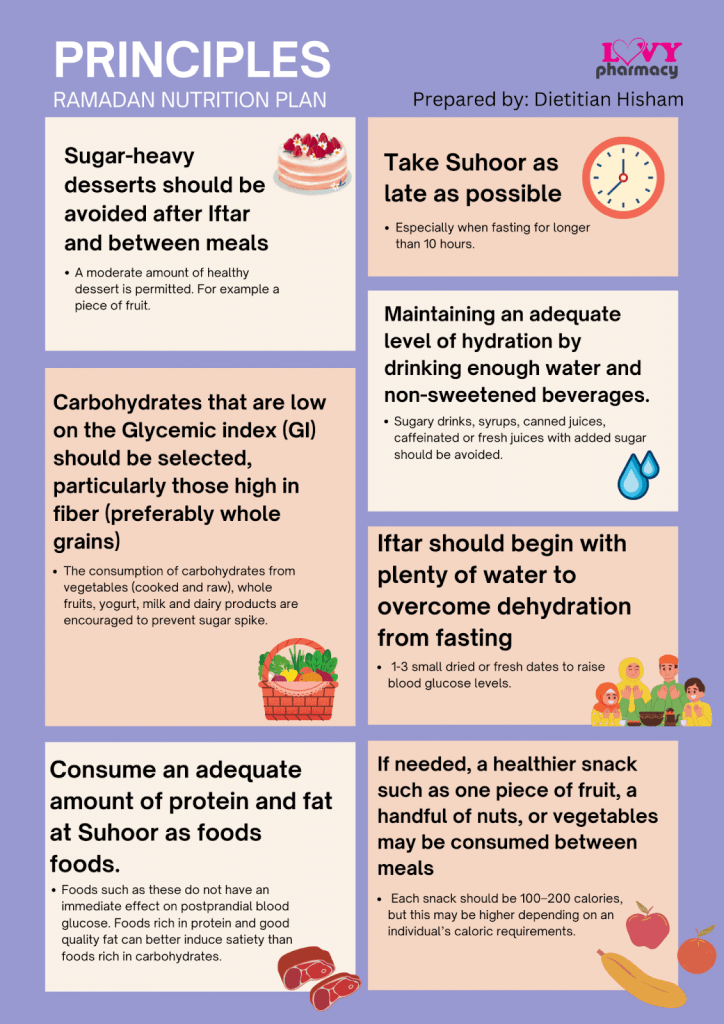
Eating Habits to Avoid During Ramadan

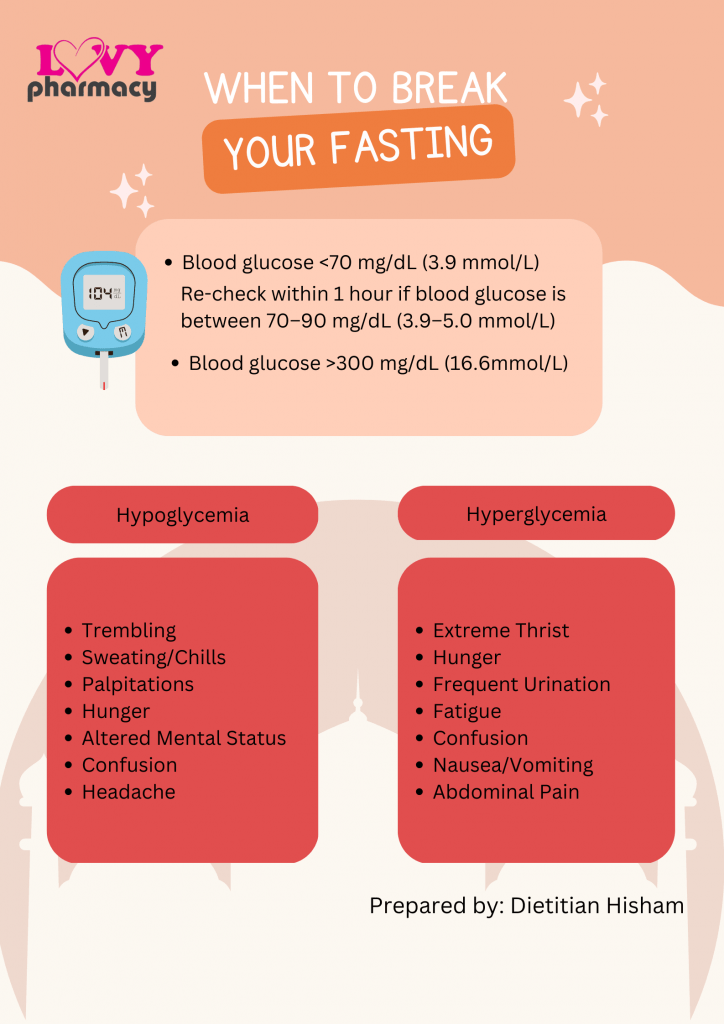
Though it is known that fasting during Ramadan has its list of health benefits, following most of our cravings during iftar and not having a balanced meal during suhoor can lead to a harmful eating pattern that might cause health problems.

Nutritional Management for Diabetic Patients

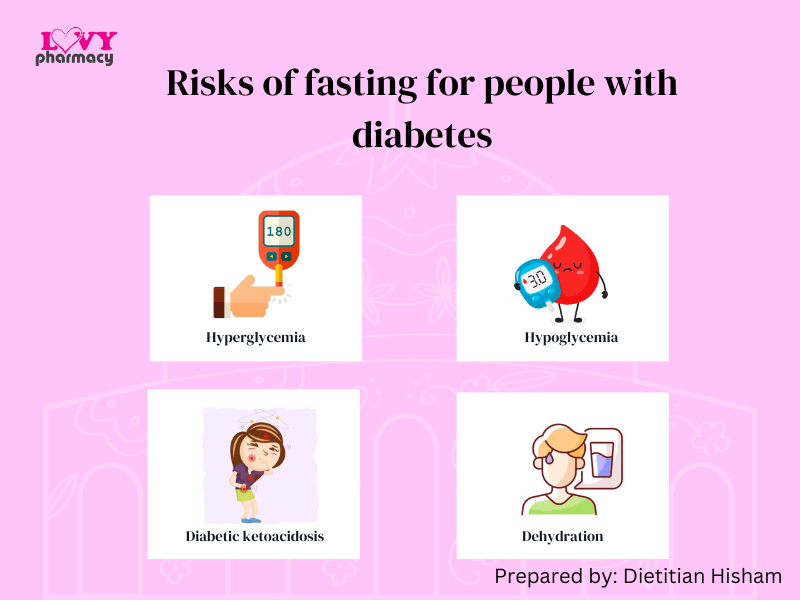
Fasting during Ramadan for people with diabetes carries considerable challenges. Despite that, many diabetic patients still insist on fasting. Healthcare professionals (HCPs) must be conscious of the potential dangers of fasting for some individuals with diabetes and should quantify and stratify the risks for every individual to provide the best possible care. If you are diagnosed with diabetes, discuss with your doctor and dietitian before fasting during Ramadan.

 Consult our doctors and dietitians via Live Chat feature within our Doctor2U app.


Ramadan Nutrition Plan (RNP) for Diabetes Patients

Ramadan Nutrition Plan (RNP) is a clinically proven tool, designed to assist individuals with Type 2 Diabetes Mellitus (T2DM) to achieve better blood glucose control and help with weight management. This plan can also be applied for the general population.

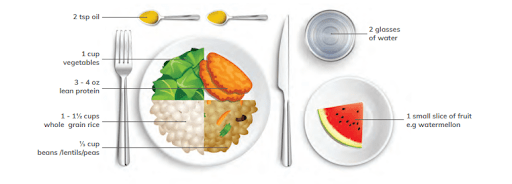
The “Ramadan plate” method may be used for designing meals.

(Image credit: IDF-DAR Practical Guideline 2021)

Glycemic Index (GI): A measure of the increase in the level of blood sugar caused by eating a specific carbohydrate.

Managing Digestive Issues During Fasting

The reduction in food intake that comes along with fasting may cause digestive issues such as constipation, diarrhoea, nausea, and bloating. It is best to support your fasting journey and enhance the benefits of fasting with probiotic supplementation that contains Lactobacillus and Bifidobacterium strains.

Our Nutridos Bifido mixed berries juice powder is rich with probiotics to help improve good gut bacteria. The juice powder is free from sugar, colourant and artificial flavouring, making it a healthier choice of drink

Purchase Nutridos Bifido mixed berries juice to enjoy its nutritional benefits.

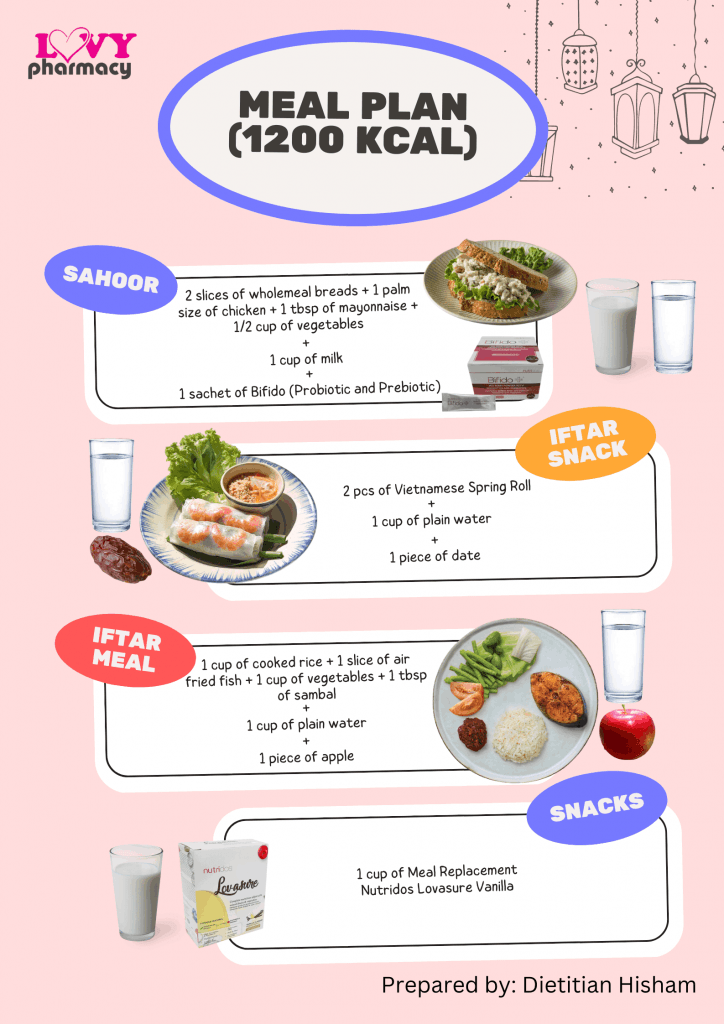
Here is a sample of nutritious and tasty meal plans during the fasting month:

In short, practising mindful eating during Ramadan can help with blood sugar control as well as weight management. Remember to avoid excessive refined carbohydrate intake, choose low Glycemic Index (GI) carbohydrates, and consume plenty of water. We hope you have a smooth journey in the remaining days of this fasting month. Selamat berpuasa!

References

  1. Bashier, A.M., et al., Impact of optimum diabetes care on the safety of fasting in Ramadan in adult patients with type 2 diabetes mellitus on insulin therapy. Diabetes research and clinical practice, 2019. 150: p. 301-307.
  2. El Toony, L.F., D.A. Hamad, and O.M. Omar, Outcome of focused pre-Ramadan education on metabolic and glycaemic parameters in patients with type 2 diabetes mellitus. Diabetes & Metabolic Syndrome: Clinical Research & Reviews, 2018. 12(5): p. 761-767.
  3. Hamdy, O., et al., The Ramadan Nutrition Plan (RNP) for Patients with Diabetes. Diabetes and Ramadan: practical guidelines [Internet], 2017: p. 73-83.
  4. Hassanein M;Afandi B;Yakoob Ahmedani M;Mohammad Alamoudi R;Alawadi F;Bajaj HS;Basit A;Bennakhi A;El Sayed AA;Hamdy O;Hanif W;Jabbar A;Kleinebreil L;Lessan N;Shaltout I;Mohamad Wan Bebakar W;Abdelgadir E;Abdo S;Al Ozairi E;Al Saleh Y;Alarouj M;Ali T;Ali Al. (2021.). Diabetes and ramadan: Practical guidelines 2021. Diabetes research and clinical practice. Retrieved March 15, 2023, from https://pubmed.ncbi.nlm.nih.gov/35016991/.
  5. Tourkmani, A.M., et al., Impact of Ramadan focused education program on hypoglycemic risk and metabolic control for patients with type 2 diabetes. Patient preference and adherence, 2016. 10: p. 1709.