
The Men’s Health Upgrade: What Every Man Should Know in 2026

June is Men’s Health Month. Here’s why knowing your numbers matters more than ever.

In 2026, men are more interested in their health than ever before. Search trends show record numbers of men looking up GLP-1 weight loss medications, testosterone therapy, prostate supplements, and heart health. That’s the good news.

The bad news? Most men are chasing solutions without knowing their starting point.

It’s like trying to fix a car engine without ever opening the hood. You might guess right. You might also waste time, money, and health on the wrong fix.

This Men’s Health Month, here’s what’s actually worth your attention – and why it all starts with one thing: knowing your numbers.

1. The GLP-1 Revolution: Beyond Just Weight Loss

If you’ve heard of Ozempic or Wegovy, you’re not alone. GLP-1 medications have become the biggest health trend of 2026, and for good reason. Originally developed for diabetes, these medications are now being used for weight loss, heart protection, kidney health, and even addiction treatment.

Here in Malaysia, obesity rates continue to climb. According to the National Health and Morbidity Survey (NHMS), more than half of Malaysian adults are either overweight or obese. For men, excess weight doesn’t just affect how you look – it quietly raises your risk of heart disease, diabetes, fatty liver, sleep apnea, and even certain cancers.

But here’s what many people miss: GLP-1 medications work best when paired with proper medical assessment. Before starting any weight management program, you need to know your baseline – your BMI, blood sugar levels, liver function, kidney health, and cholesterol numbers. Without these, you’re flying blind.

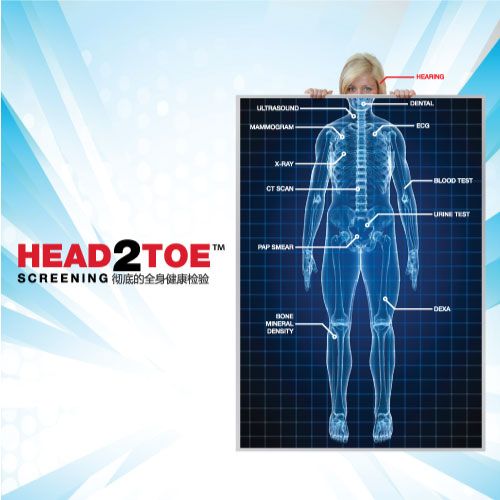
What you can do: If weight management is on your mind, start with a comprehensive health screening. The Head-2-Toe screening package covers your full blood panel, liver and kidney function, body composition, and more – giving you and your doctor the complete picture before deciding on any treatment plan, including whether GLP-1 therapy through the BP Obesity Clinic is right for you.

2. Heart Disease: The Silent Killer That’s Still #1

Let’s talk about the number that should concern every Malaysian man.

According to Malaysia’s Department of Statistics (DOSM), ischaemic heart disease remained the leading cause of death in Malaysia in 2024, accounting for over 17,000 deaths. Among Malaysian males specifically, heart disease and stroke together make up nearly 30% of all deaths.

The scary part? Heart disease often gives no warning. Many men feel perfectly fine right up until their first heart attack. The traditional approach of waiting for symptoms simply doesn’t work.

The good news is that heart screening technology has come a long way. CT calcium scoring can detect calcium buildup in your coronary arteries years before a blockage becomes dangerous. ECG stress testing reveals how your heart performs under pressure. Blood tests like NT-proBNP can pick up early signs of heart strain that you’d never feel on your own.

What you can do: Don’t wait for chest pain. The Head-2-Toe screening includes either an ECG stress test or CT calcium scoring, along with a comprehensive blood panel that checks your cholesterol, triglycerides, and cardiac markers. For ongoing heart health support, Nutridos Fish Oil (omega-3 fatty acids) helps manage triglyceride levels, while Nutridos Oat Plus (beta-glucan) supports healthy LDL cholesterol.

3. Prostate Health: The Conversation We Need to Normalise

Here’s a fact that surprises many men: benign prostatic hyperplasia (BPH) – a non-cancerous enlargement of the prostate – affects up to 50% of men over the age of 50. By age 70, that number rises to over 70%.

If you’re waking up multiple times at night to urinate, experiencing a weak stream, or feeling like your bladder never fully empties, you’re not alone. These are classic BPH symptoms, and they’re far more common than most men realise.

Yet many Malaysian men avoid talking about it. There’s still a sense of “pantang” or taboo around prostate issues. Some men suffer in silence for years before seeking help, by which time the condition may have progressed significantly.

The science on prostate support has evolved too. While saw palmetto has been used for decades, recent clinical research shows that it works best when combined with beta-sitosterol, a plant sterol that targets inflammation and improves urinary flow. A double-blind, placebo-controlled study published in BMC Urology found that men taking beta-sitosterol-enriched saw palmetto oil for 12 weeks experienced significant improvements in prostate symptom scores, urine flow rate, and even free testosterone levels compared to placebo.

This is important because it’s not just saw palmetto alone – it’s the combination that matters.

What you can do: If you’re over 40, get your prostate checked. The Head-2-Toe screening includes an ultrasound that can assess prostate size and detect abnormalities early. For daily prostate maintenance, Nutridos Prostaluv contains both saw palmetto and beta-sitosterol (phytosterol) – the same combination shown in clinical research to support healthy urinary function and prostate health. Think of screening as the check-up, and Prostaluv as the daily upkeep.

4. Testosterone: The Conversation That Changed

Testosterone has always been a sensitive topic for men. Too little of it can cause fatigue, low mood, reduced muscle mass, poor concentration, and decreased sex drive. But for years, doctors were cautious about testosterone replacement therapy (TRT) because of concerns that it might increase heart attack risk.

That changed in a big way. The landmark TRAVERSE trial – the largest study of its kind, involving over 5,200 men – found no increased cardiovascular risk from testosterone therapy. Based on this evidence, the FDA removed its black box cardiovascular warning on TRT products in 2025.

This doesn’t mean every tired man needs testosterone. But it does mean that the conversation has shifted from fear to informed decision-making.

Before considering TRT, though, you need proper testing. Testosterone levels naturally fluctuate throughout the day and can be affected by sleep, stress, obesity, and other factors. A single blood test isn’t enough – your doctor needs to see the full picture, including your metabolic health, body composition, liver function, and overall hormonal profile.

What you can do: If you’re experiencing symptoms of low testosterone, don’t self-diagnose. The Head-2-Toe screening provides a comprehensive blood panel and DEXA body composition scan that helps your doctor assess whether further hormonal testing is warranted. Maintaining a healthy weight, regular exercise, and adequate sleep are the foundation of healthy testosterone levels.

5. Liver, Lungs, and the Things You Can’t Feel

Heart disease and prostate issues get a lot of attention. But some of the most dangerous conditions are the ones you can’t feel at all.

Fatty liver disease is now one of the most common liver conditions in Malaysia, driven by obesity, diabetes, and sedentary lifestyles. Most people with fatty liver have zero symptoms until the damage is advanced. A simple blood test (using a calculation called FIB-4) and an ultrasound can catch it early, when lifestyle changes can still reverse it.

Lung function decline is another silent problem, especially relevant in Malaysia where seasonal haze can worsen respiratory conditions. Smokers and ex-smokers are at particular risk, but even non-smokers exposed to pollution or occupational dust can develop reduced lung capacity without knowing it. A spirometry test takes just a few minutes and can detect problems years before you feel breathless.

Bone health might sound like a women’s issue, but it’s not. Men over 50 can develop osteoporosis too, and the first sign is often a fracture. A DEXA scan measures your bone density and catches thinning bones early.

What you can do: The Head-2-Toe screening covers all three – liver function blood tests plus abdominal ultrasound, spirometry for lung function, and a DEXA scan for bone density. For liver support, Nutridos Liv-luv (silymarin) helps protect liver cells. For bone and joint health, Nutridos Calciluv (calcium) and Nutridos Fortiluv (collagen) provide ongoing support.

Your Body’s Annual “Software Update”

Here’s the bottom line: every health trend in 2026 – whether it’s GLP-1 therapy, testosterone optimisation, or prostate supplements – requires one thing first. You need to know where you stand.

The Head-2-Toe health screening at RM1,600 covers all of this in a single visit:

  • Blood panel – cholesterol, blood sugar, liver function, kidney function, thyroid, and more
  • Ultrasound scans – abdomen, pelvis, thyroid, carotid arteries, and more
  • ECG stress test or CT calcium scoring – for heart health
  • DEXA scan – for bone density and body composition
  • Spirometry – for lung function
  • Chest X-ray and hearing test – completing the full picture

Think of it as your body’s annual software update. You wouldn’t ignore the warning lights on your car dashboard. Don’t ignore the ones your body hasn’t even had a chance to show you yet.

This Men’s Health Month, Take the First Step

You don’t have to overhaul your entire life overnight. But you do have to start somewhere.

Book a Head-2-Toe screening. Know your numbers. Then make decisions – about medication, supplements, lifestyle changes – based on facts, not guesses.

Because the best time to take control of your health was ten years ago. The second best time is now.

June is Men’s Health Month. Men’s Health Week falls on June 9-16, 2026, leading up to Father’s Day. Give yourself – or the man in your life – the gift of knowing.

Are You Getting Enough Magnesium? A Guide to the Mineral You’re Probably Missing

By Dr. Lee Wang Loong, Chief Medical Officer, BP Healthcare Group

If I asked you to name the most important minerals for your health, you’d probably say calcium or iron. Maybe vitamin D, if you’ve had a blood test recently. But there is one mineral that quietly powers over 300 chemical reactions in your body, and most people have never once thought about whether they’re getting enough of it.

That mineral is magnesium.

As a doctor, I see the effects of magnesium deficiency almost every day in my clinic, often hiding behind complaints that seem unrelated: poor sleep, stubborn muscle cramps, blood sugar that just won’t cooperate. The tricky part? Most people don’t connect the dots, because magnesium deficiency doesn’t show up the way you’d expect.

Let me walk you through what you need to know.

Why Is Magnesium So Important?

Think of magnesium as the behind-the-scenes manager of your body. It doesn’t get the spotlight like calcium or vitamin C, but without it, things start falling apart.

Magnesium is involved in more than 300 enzymatic reactions in your body (Source: Harvard T.H. Chan School of Public Health). That includes some pretty critical jobs:

  • Energy production – Every cell in your body needs magnesium to produce energy. Without it, you feel tired for no clear reason.
  • Muscle and nerve function – Magnesium helps your muscles contract and relax properly. Too little of it, and your muscles cramp, twitch, or feel constantly tight.
  • Blood sugar regulation – Magnesium plays a direct role in how your body handles insulin. It is required for insulin receptors on your cells to function properly. When magnesium is low, insulin doesn’t work as efficiently, which means higher blood sugar levels (Source: Xu L et al., Frontiers in Nutrition, 2023).
  • Sleep and relaxation – Magnesium helps regulate neurotransmitters that calm the brain. Specifically, it blocks excitatory NMDA receptors while supporting calming GABA receptors. This is why people with low magnesium often struggle with poor sleep quality.
  • Heart rhythm and blood pressure – Your heart is a muscle, and it depends on magnesium to beat steadily and maintain healthy blood pressure.
  • Bone health – About 60% of the magnesium in your body is stored in your bones. It works alongside calcium and vitamin D to keep your skeleton strong.

In short, magnesium is not a “nice to have.” It is fundamental to how your body functions on a daily basis.

What Happens When You Don’t Get Enough?

Magnesium deficiency doesn’t usually announce itself with one dramatic symptom. Instead, it tends to show up as a collection of nagging issues that people learn to live with or attribute to stress, aging, or “just getting older.”

Here are the most common signs to watch for:

Poor sleep quality is one of the earliest and most common complaints. You might find it hard to fall asleep, or you wake up frequently during the night and never feel truly rested. A 2025 randomized controlled trial by Schuster J et al. in Nature and Science of Sleep found that magnesium supplementation at 250mg elemental magnesium significantly reduced insomnia severity compared to placebo over four weeks.

Muscle cramps and spasms are another classic sign, especially in the calves or feet. If you’re getting cramps that seem out of proportion to your activity level, low magnesium could be a factor.

Fatigue and low energy that persists even after a full night’s sleep. Since magnesium is essential for cellular energy production, running low leaves you feeling drained.

Migraines and headaches have been associated with magnesium deficiency in multiple studies. Research suggests that magnesium supplementation may help reduce the frequency and severity of migraines (Source: Marek Saric et al., Nutrients, 2025).

Difficulty controlling blood sugar is particularly relevant if you have Type 2 diabetes. A pooled analysis of 24 clinical trials involving 1,325 T2DM patients showed that magnesium supplementation reduced HbA1c by 0.22% and fasting glucose by 0.20 mmol/L (Source: Xu L et al., Frontiers in Nutrition, 2023). These are modest but meaningful improvements, especially as an add-on to existing treatment.

Mood changes such as increased anxiety, irritability, or low mood can also be linked to magnesium levels, though the evidence here is still evolving.

The frustrating reality is that many of these symptoms overlap with other conditions, which is why magnesium deficiency often goes unrecognized.

Why Are So Many People Deficient?

This is where things get interesting, and a little alarming. Global data suggests that roughly 2.4 billion people, or about 31% of the world’s population, fail to meet the recommended magnesium intake levels (Source: International Journal of Vitamin and Nutrition Research, 2025).

There are several converging reasons for this.

Modern Diets Have Changed

Our food supply isn’t what it used to be. Processed and refined foods, which make up an increasing proportion of modern diets, are significantly lower in magnesium compared to whole foods. When grains are refined (white rice instead of brown rice, white bread instead of wholegrain), most of the magnesium is removed along with the bran and germ.

On top of that, modern farming practices and soil depletion mean that even whole foods may contain less magnesium than they did decades ago.

Certain Medications Actively Deplete Magnesium

This is an important point that many patients are not aware of. Several commonly prescribed medications can lower your magnesium levels over time:

  • Proton pump inhibitors (PPIs) like omeprazole and esomeprazole, commonly prescribed for gastric reflux and ulcers, reduce magnesium absorption from the gut. Long-term use can lead to progressive, silent depletion. This was significant enough that the FDA issued a safety advisory in 2011 specifically warning about the risk of hypomagnesemia with prolonged PPI use.
  • Diuretics (water pills) used for blood pressure management increase magnesium loss through urine.
  • Metformin, the most commonly prescribed diabetes medication, has also been associated with lower magnesium levels.

If you’re on any of these medications long-term, you may be losing magnesium faster than your diet can replace it.

Chronic Diseases Create a Vicious Cycle

Type 2 diabetes is a prime example. High blood sugar forces the kidneys to excrete more magnesium in urine. But low magnesium, in turn, impairs insulin receptor function, which makes blood sugar harder to control. It becomes a self-reinforcing cycle. Research shows that low magnesium levels are found in 14 to 48% of patients with Type 2 diabetes, compared with about 2.5 to 15% in the general population (Source: Marek Saric et al., Nutrients, 2025).

Age Matters

As we get older, our bodies naturally absorb less magnesium from food. Combined with the fact that older adults are more likely to be on multiple medications (PPIs, diuretics, diabetes drugs), the risk of deficiency compounds significantly.

The Testing Problem

Here is perhaps the most important thing to understand: routine blood tests are not a reliable way to detect magnesium deficiency.

Only about 1% of your body’s total magnesium is found in the blood. The other 99% is stored inside cells and in bone. This means your blood test can read perfectly “normal” even while your cells are significantly depleted. It is like checking the water level in a bucket by only looking at the surface, while the bottom is nearly empty.

What Can You Do About It?

The good news is that magnesium deficiency is very manageable once you’re aware of it. There are two main approaches, and ideally you’d use both.

1. Eat More Magnesium-Rich Foods

Building your diet around magnesium-rich foods is always a good foundation. Some of the best sources include:

  • Dark leafy greens like spinach and kangkung (water spinach) – a single cup of cooked spinach provides roughly 150mg of magnesium
  • Nuts and seeds, particularly pumpkin seeds (168mg per 28g serving), almonds, and cashews
  • Legumes like black beans, chickpeas, and edamame
  • Whole grains such as brown rice, oats, and wholegrain bread
  • Dark chocolate (70% cocoa or higher) – yes, this counts!
  • Avocados, bananas, and tofu are also good contributors

The recommended daily intake for adults is roughly 310-320mg for women and 400-420mg for men (Source: NIH Office of Dietary Supplements).

The challenge, of course, is consistency. In practice, many people find it difficult to reliably hit these targets through diet alone, especially if they have a busy lifestyle, dietary restrictions, or are already on medications that deplete magnesium faster than normal.

2. Consider Magnesium Supplementation

For patients who are at higher risk of deficiency, or who have symptoms suggestive of low magnesium, supplementation is a practical and effective option.

Not all magnesium supplements are created equal, though. The form matters:

  • Magnesium glycinate (bisglycinate) is one of the most well-absorbed forms and is notably gentle on the stomach. The glycine component is itself a calming neurotransmitter, which makes this form particularly well-suited for patients with sleep issues. It is also less likely to cause the diarrhea that some other forms (like magnesium oxide) are known for.
  • Magnesium citrate is also well-absorbed but can have a mild laxative effect at higher doses.
  • Magnesium oxide contains more elemental magnesium per capsule but has lower bioavailability, meaning your body absorbs less of it.

When choosing a supplement, pay attention to the elemental magnesium content, not just the total compound weight. For example, a capsule labelled “Magnesium Glycinate 400mg” provides approximately 80mg of actual elemental magnesium. This distinction matters when matching your dose to clinical recommendations.

A few practical tips for supplementation:

  • Take it with food to maximize absorption and minimize any stomach discomfort
  • Separate from certain medications by 2 to 4 hours, including thyroid medications (levothyroxine), antibiotics (quinolones, tetracyclines), bisphosphonates (alendronate), and iron supplements, as magnesium can reduce their absorption
  • Be patient – benefits for sleep and muscle function typically become noticeable within 1 to 2 weeks, with full effects assessed at around 4 weeks
  • Check with your doctor if you have kidney disease (especially if eGFR is below 30), as impaired kidneys may not be able to clear excess magnesium effectively

Who Should Consider Supplementation?

Based on the current evidence, the following groups stand to benefit most from proactive magnesium supplementation:

  • Adults over 60, due to reduced absorption and higher medication use
  • Anyone on long-term PPI therapy (omeprazole, esomeprazole, pantoprazole)
  • Patients on diuretics for blood pressure management
  • People with Type 2 diabetes, particularly those on metformin
  • Those experiencing chronic poor sleep, muscle cramps, or recurrent migraines

For most of these individuals, the decision to supplement doesn’t need to wait for a blood test. The clinical risk profile alone is sufficient justification.

The Bottom Line

Magnesium is one of the most important minerals in your body, yet it is one of the most commonly overlooked. Modern diets, common medications, and the limitations of routine blood testing all contribute to a situation where millions of people are quietly deficient without knowing it.

The good news? It is easy to address. Eat more whole foods, be aware of your risk factors, and talk to your doctor or pharmacist about whether magnesium supplementation makes sense for you.

Your body is already telling you what it needs. Sometimes, you just have to listen.

Support your daily wellness with Lovy Magnesium Glycinate 400mg — formulated to help support muscle function, relaxation, sleep quality, and energy metabolism. Available now at Lovy Pharmacy, BP Healthcare outlets. Contact your nearest BP Healthcare outlet today to purchase and enjoy the best value combo deal while stocks last.

Purchase At Nearest BP Outlet

Your Guide to Optimal Breastfeeding Nutrition

24 August 2023  | Article is written by Jesslyn Chua (Nutritionist, Lovy Pharmacy), Reviewed by Tan Jun Er (Dietician, Lovy Pharmacy)


Source: Freepik

You’re not quite finished eating for two yet. Here’s the way to get the proper nutrients to provide your child with healthy liquid meals!

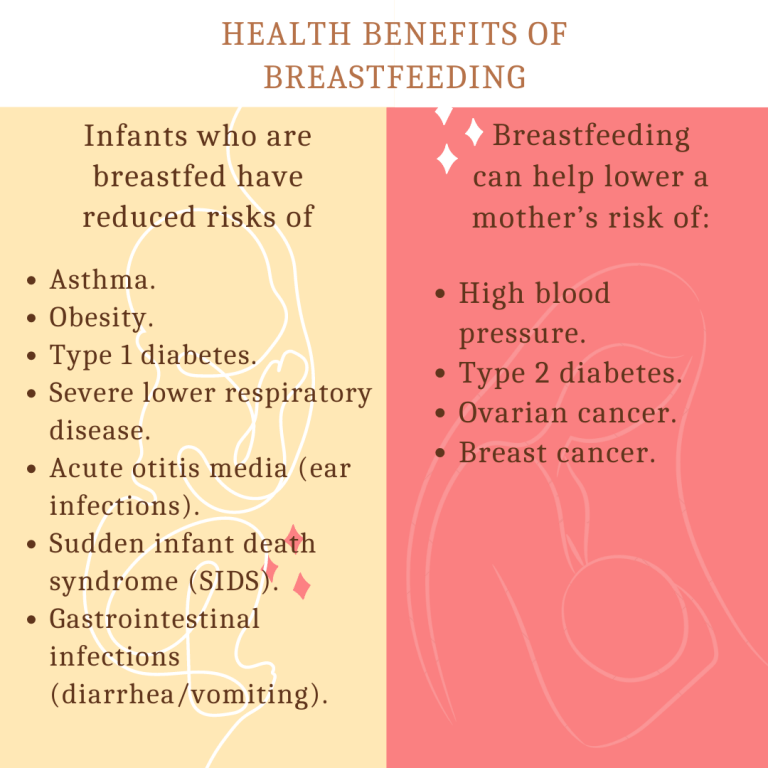
Adequate nutrition during infancy and early childhood is crucial to clinch the growth, health, and development of your child to the best of one’s ability. Breastfeeding has been well recognised as the gold standard for both mother and child, as it is the best source of nutrition for an infant.
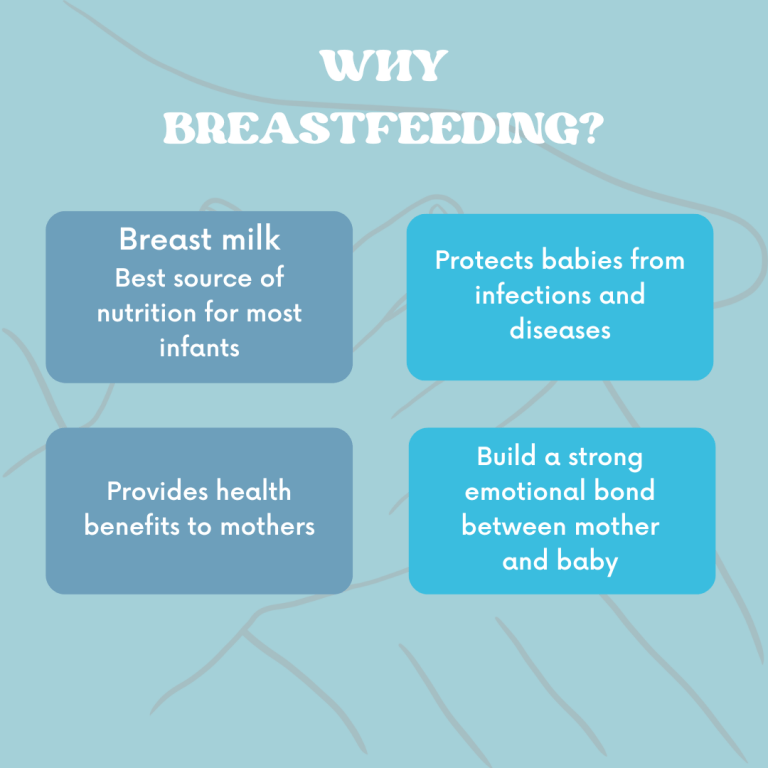
The Power of Breastfeeding

Breastfeeding might take some patience and persistence to master, and it can be challenging initially. Yet, the rewards for both mother and child are significant. In the first days after birth, the body produces colostrum, a nutrient-dense initial milk.

Colostrum is richer in protein and has fewer fats and carbs than mature breast milk. It’s especially high in secretory immunoglobulin A (IgA), vital for boosting a baby’s defense against infections. This makes it the optimal nutrition for newborns. Around 3–4 days post-delivery, the milk transitions from colostrum to mature milk.

While formula milk tries to mimic breast milk, it lacks colostrum. This means it doesn’t have the same beneficial immunoglobulins and antioxidants found in colostrum.
Fueling Your Body and Your Baby

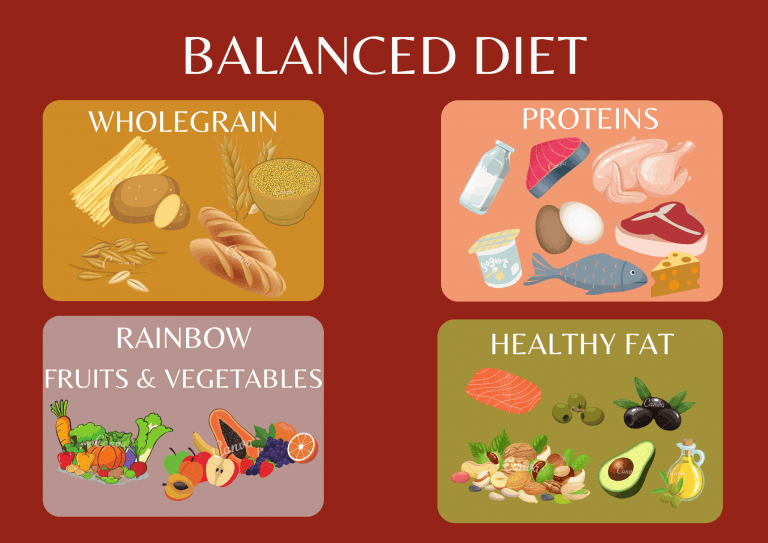
When you breastfeed, your baby relies on you for all their nutrition. It’s essential to maintain a balanced diet to ensure both you and your baby get the nutrients you need. There are no set guidelines for a breastfeeding diet, but whether a mother is nursing or not, she needs an additional 300 to 500 calories per day. This is because breastfeeding requires your body to burn up to 500 calories every day.

The easiest method to achieve this is to eat a diet rich in nutrients and well-balanced foods to meet the extra nutritional needs of lactation. Your goal is to include a variety of foods from every food group daily, as each provides unique nutrients.
Crucial Nutrients for Nursing Mothers

Are there any nutrients that nursing mothers need to take in more to meet their newborns’ nutritional needs? The answer is YES indeed! A breastfeeding mother should include a few crucial elements in her diet.
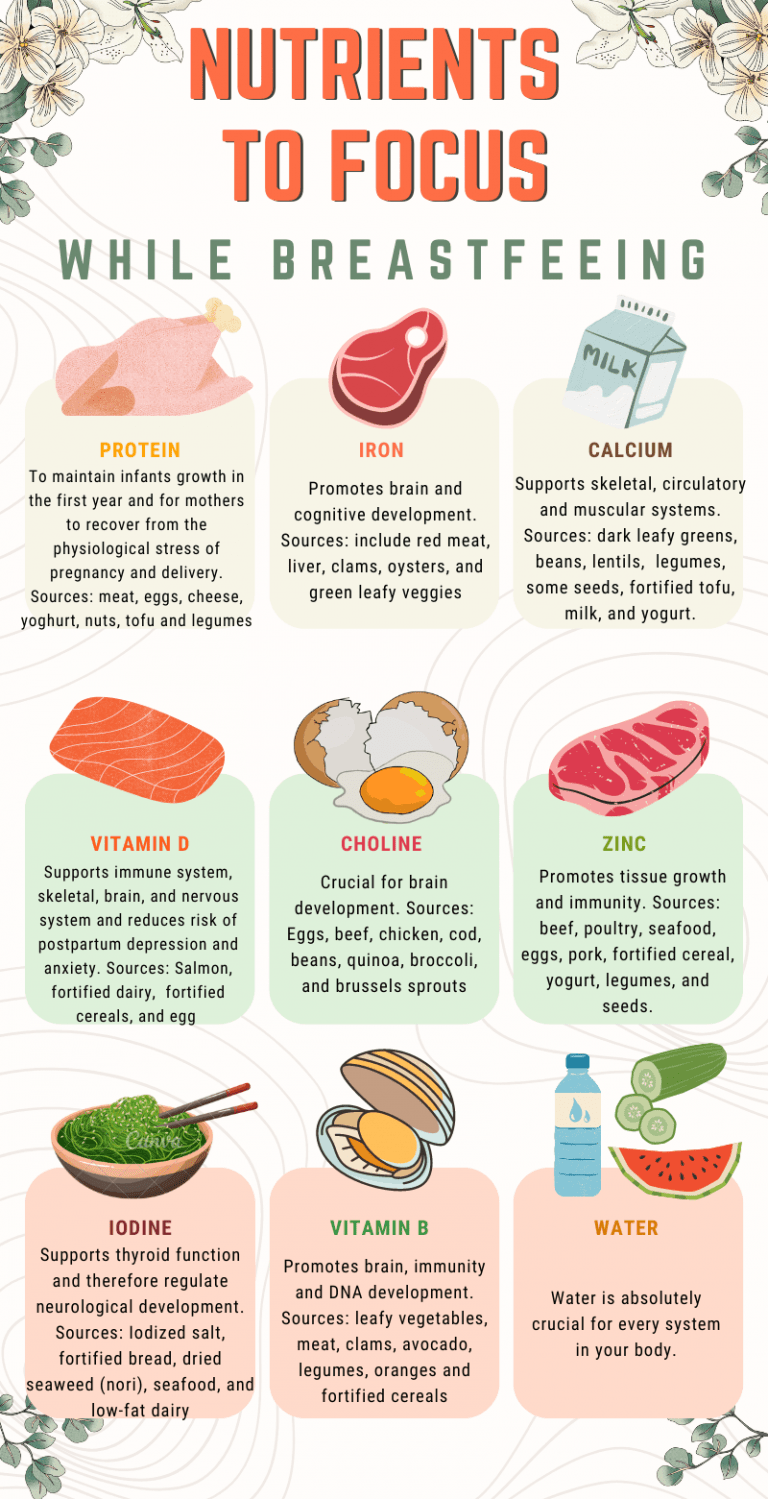
Proper nutrition is therefore necessary to create the foundation for long-term health during the first three years of your child’s life. Nutritional deficiency can harm physical growth, compromise cognitive function, weaken immunity, and increase the risk and susceptibility to serious illnesses like rickets, anemia, coronary heart disease, type 2 diabetes, and osteoporosis.

Symptoms of poor nutrition in neonates and early children include halted growth, changed mood and behavior, low energy, or weight loss. These conditions may lead to poorer cognitive and educational outcomes. It is therefore important for mothers to pay attention to the intake of nutrients in order to support baby’s growth and development. Breastfeeding moms who follow a vegan or vegetarian diet are at higher risk for iron, calcium, choline, zinc, vitamin B6, B9 and B12 deficiencies.

Breastfeeding increases the needs for certain vitamins and minerals and having a sufficient amount of nutrients can help ensure the health of both you and your children. Besides increasing the intake of all the required foods, taking supplements has also been found to be a beneficial way to get sufficient nutrients for both mother and baby.

Nutridose Lov-asure has 36 types of fruits and vegetables concentrate.
Get 28 sachets of this preservative-free meal replacement nutrient source for only RM 135!


Learn more

Choosing Wisely: Foods to Limit or Avoid

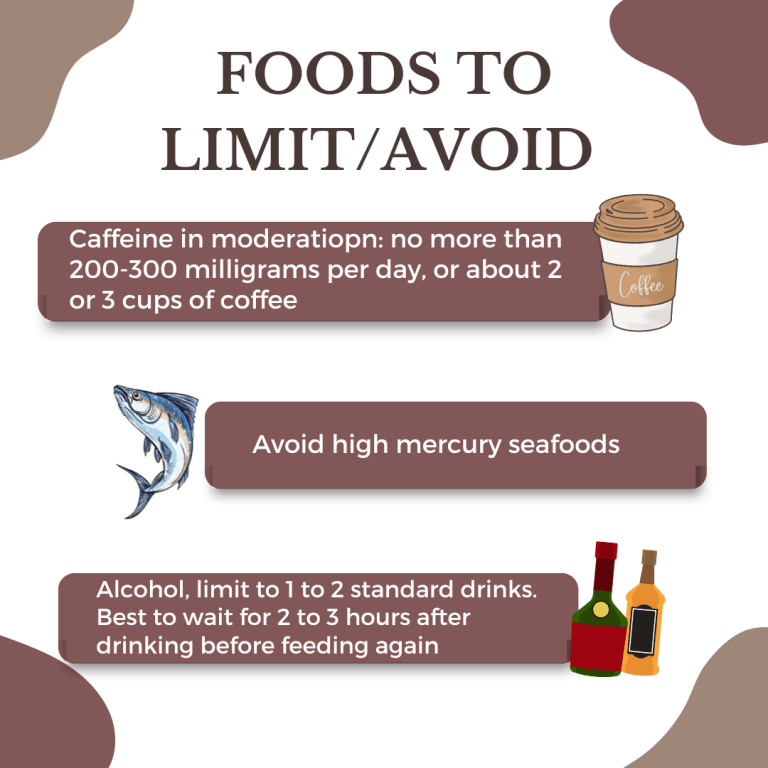
Good news! Most of the meals you had to keep away from all through pregnancy are now allowed to be consumed! However, it is best to limit or avoid some foods when breastfeeding.
Caffeine

Stimulants can enter breast milk and alter an infant’s sleep cycles and general behavior. It is advisable to limit your daily caffeine consumption to between 200 and 300 mg. In order to give your body enough time to digest the caffeine before the next feeding, it’s also a good idea to drink your caffeinated beverages right after breastfeeding.

In addition to coffee (both regular and decaf), caffeine can also be found in non-herbal teas like black, green, oolong, matcha, chai, and, as well as in some energy drinks, chocolate, soda, and some herbal products and supplements.

High mercury fish

Can be detrimental to your baby’s growing neurological system. As they frequently have the greatest mercury levels, species including king mackerel, shark, tilefish, and swordfish should be avoided. Choose low-mercury fish instead, such as salmon, trout, cod, sardines, and others, which offer all the nutritional advantages without the possible hazards.

Alcohol

Alcohol enters your bloodstream and can be given to your baby through breast milk. Alcohol can have an impact on your baby’s sleeping habits, motor abilities, and general development. It is very crucial to abstain from alcohol consumption or hold off on nursing until the alcohol has entirely left your system.

Enhancing Your Breastfeeding Diet

One of the main parts of the diet that needs to be taken into consideration, is the calcium intake. Breastfeeding may take up a lot of calcium from the mothers. You may lose up to 400 mg of calcium on a daily basis. Generally, you need up to 1000 mg of calcium a day.

With Calciluv, which is made up of 99% calcium powder,
you can ensure adequate calcium consumption.

Only RM135 for 60 sachets!


Learn more

Additionally, we are aiming for balance, moderation, and variety in foods during the nursing period. The key is to add up to 500 kcal of “snacks” on top of your usual main meals. Here’s an example of a day’s meal for breastfeeding moms.
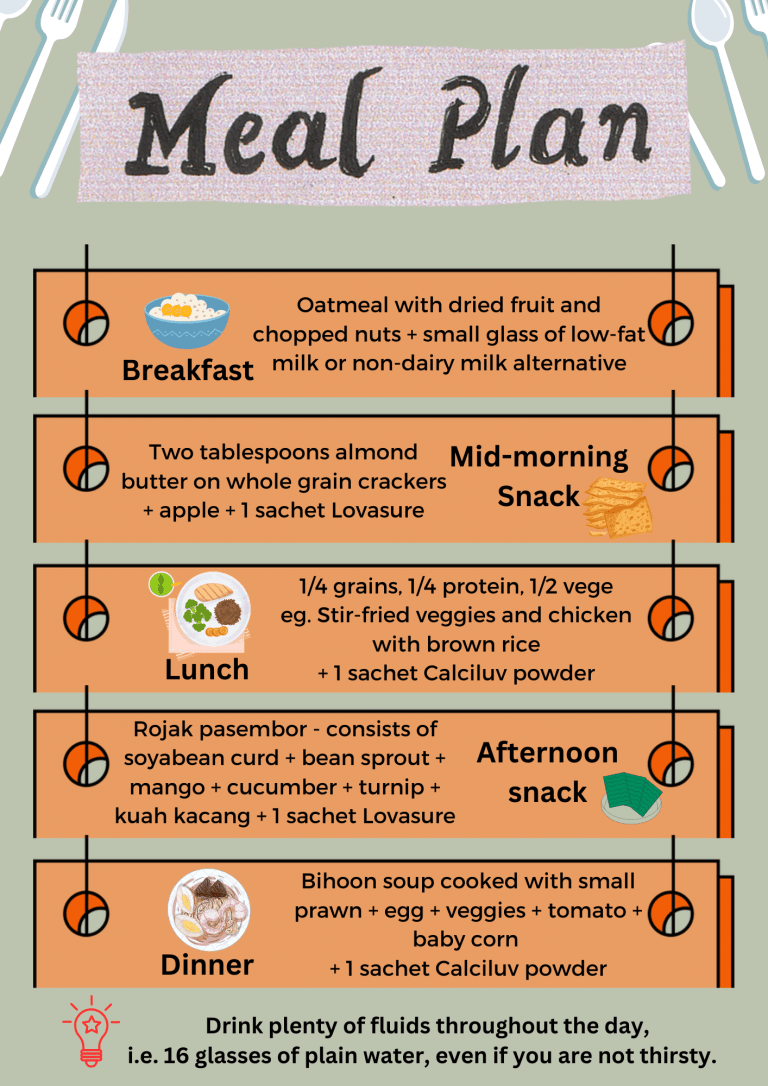
Breast milk itself offers all the essential nutrients needed for the growth and development of infants for the first 6 months. You can gradually introduce solid foods until your baby is consuming a complete, balanced diet.

For the first year, breast milk remains a significant nutritional source for your baby. You can continue to breastfeed with appropriate additions of complementary foods, for as long as you and your baby desire. Talk to a medical professional today to understand more about breastfeeding nutrition.

And don’t forget to get a health screening 4 to 6 weeks after giving birth to monitor your recovery post-labor and birth. Empower your recovery with health screenings so you can have a stronger and healthier postpartum journey!

Get peace of mind by purchasing our Comprehensive Basic Health Screening package!

Enjoy FREE bone mineral density test and a specialist consultation with just RM 600!

Learn more

World Hepatitis Day

What Should You Know About This Disease

26 July 2023  | Article is written by Scott David Hastie (nutritionist) and Tan Jun Er (dietician)

Source: Freepik/storyset

About World Hepatitis Day

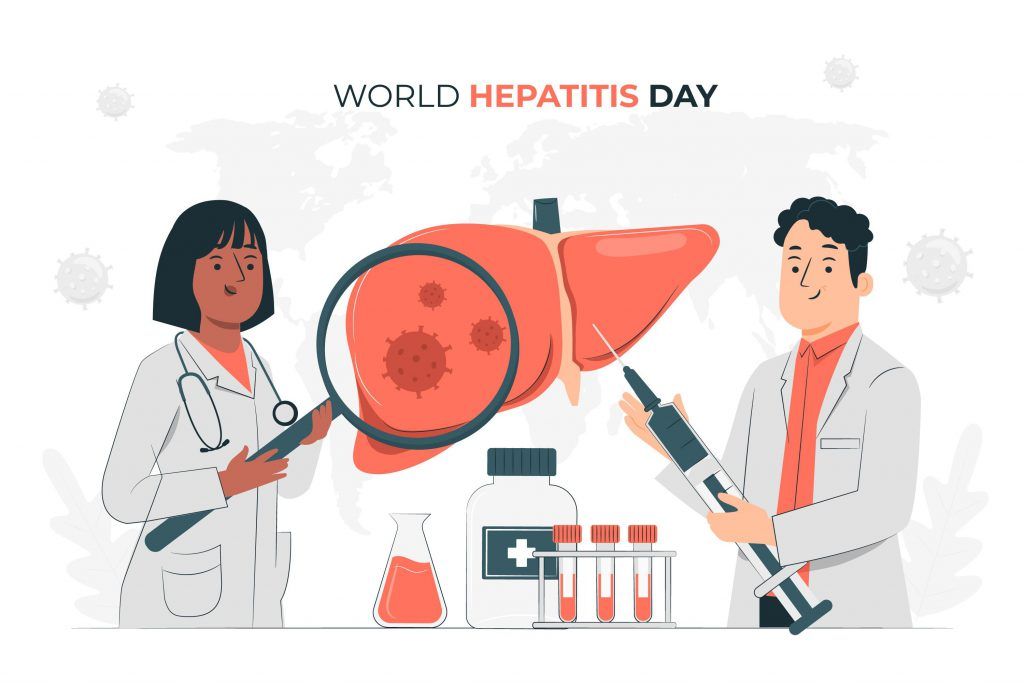
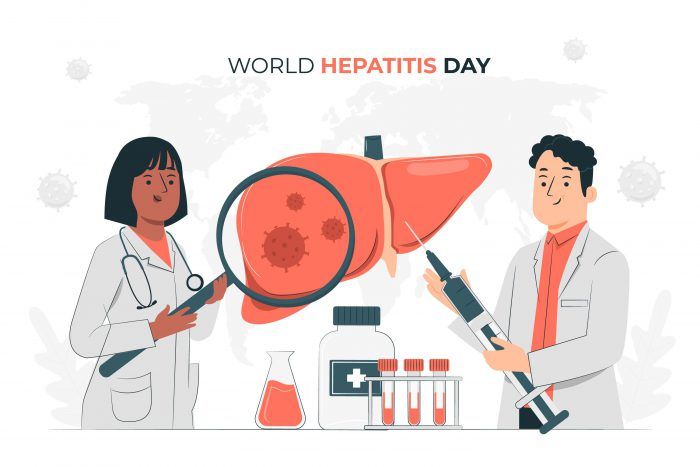
Viral hepatitis is a major global health problem, resulting in more than one million deaths each year. World Hepatitis Day is observed annually on 28 July to raise awareness of the disease and to promote prevention, diagnosis, and treatment. The date of 28 July was chosen in honor of Nobel Prize-winning scientist Dr. Baruch Blumberg, who discovered the hepatitis B virus (HBV) and developed a diagnostic test and vaccine for the virus.

What is hepatitis?

The liver is a vital organ that processes nutrients, filters the blood, and fights infections. When the liver is inflamed or damaged, its function can be affected. Heavy alcohol use, toxins, some medications, and certain medical conditions can cause hepatitis. However, hepatitis is often caused by a range of infectious viruses and non-infectious agents which can sometimes lead to cirrhosis and even cancer.

Types of hepatitis

There are 5 main hepatitis viruses, referred to as types A, B, C, D and E. In particular, types B and C lead to chronic disease in hundreds of millions of people and, together, are the most common cause of liver cirrhosis and cancer.

Infection route

Hepatitis A and E are typically caused by ingestion of contaminated food or water. Hepatitis B, C and D usually occur as a result of parenteral contact with infected body fluids. Common modes of transmission for these viruses include receipt of contaminated blood or blood products, invasive medical procedures using contaminated equipment. Common mode of transmission for hepatitis B would be from mother to baby at birth, from family member to child, and also by sexual contact.

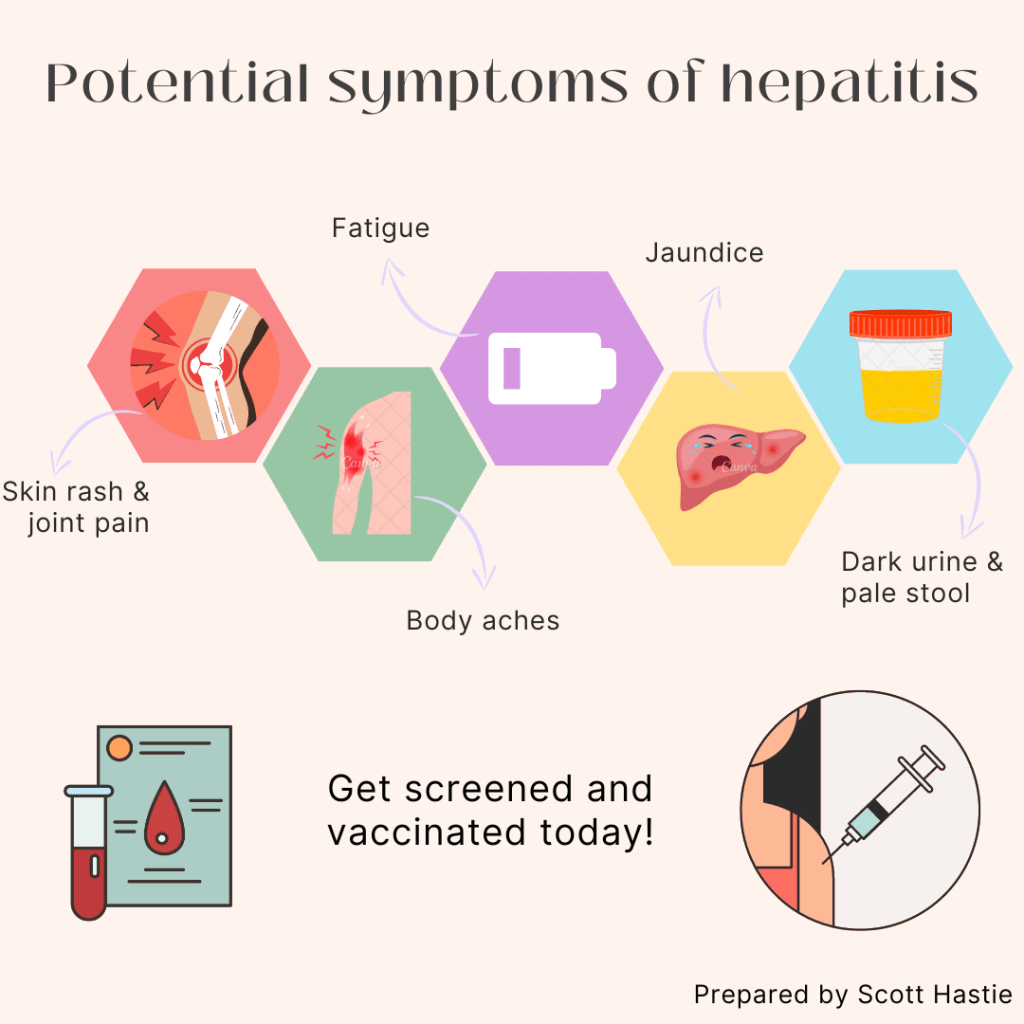
Acute infection may occur with limited or no symptoms, or may include symptoms such as jaundice (yellowing of the skin and eyes), dark urine, extreme fatigue, nausea, vomiting and abdominal pain.

Symptoms of Hepatitis

Symptoms of hepatitis may include but are not limited to:

  • Skin rash and joint pain
  • Nausea and vomiting
  • Fever and chills
  • Fatigue
  • Body aches
  • Pain at upper right side of abdomen
  • Jaundice
  • Dark urine
  • Pale stool

Guidelines for hepatitis carriers

  • Do not donate blood
  • Do not share personal items which may breach the skin barrier. Ie: razors, toothbrushes, nail clippers, earrings, etc.
  • Ensure your sexual partner is immunized, or use protection.
  • Inform your doctors that you are a carrier, especially in cases of pregnancy or undergoing surgery.
  • Regular blood screening every 6 – 12 months.

Importance of regular screening

Testing and diagnosis of hepatitis infection is the gateway for access to both prevention and treatment services. Early identification of persons with chronic hepatitis infection enables them to receive the necessary care and treatment to prevent or delay progression of liver disease.

Screening tests on Hepatitis A,B and C are provided by BP Healthcare as part of the Specialist Head2Toe health screening package. The test specifically involves analyzing blood samples to detect quantities of antibodies, indicating the presence of hepatitis virus.


Source: www.worldhepatitisday.org

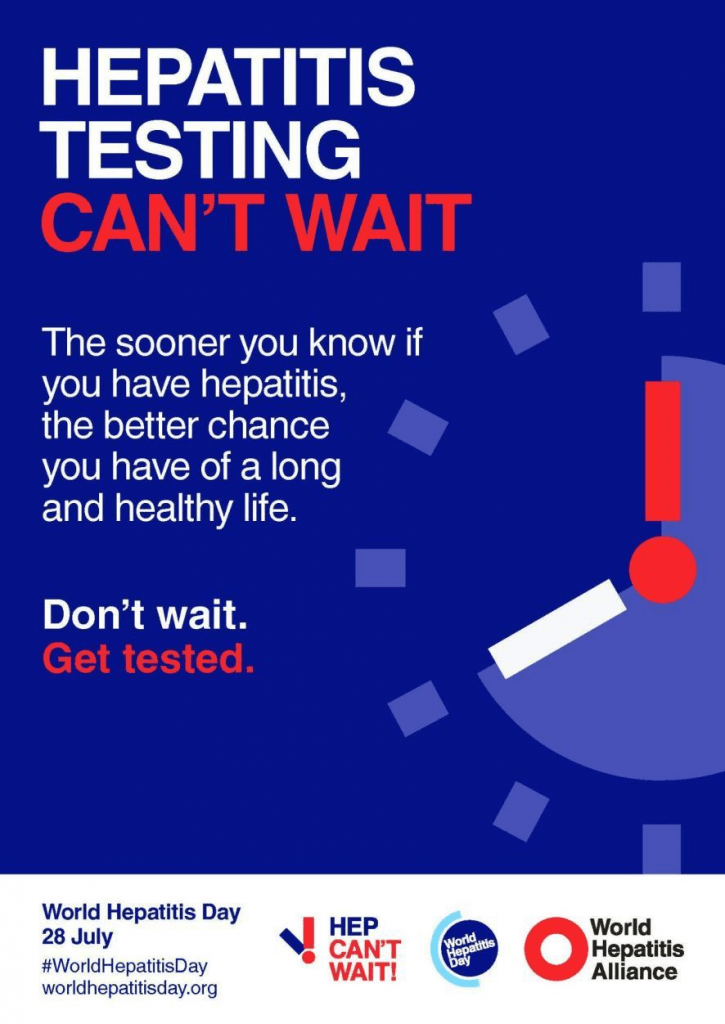
In line with this year’s slogan “Hepatitis Can’t Wait” , it is critical to emphasise the significance of hepatitis screening for early detection and timely care in the fight against hepatitis.


Get Tested Today!